Albania
Republic of Albania · Shqipëria
Land of ancient Illyrians, later Roman and Byzantine, then nearly 450 years Ottoman. Independence came in 1912; after WWII Enver Hoxha ran one of the world's most isolated communist states until 1991. Now a NATO member and EU candidate.
See Albania on the 3D globeTake a quiz
Population2.4 million
Area28,748 km²
CapitalTirana
RegionSoutheast Europe
Did you know?
- Nodding the head means "no" and shaking it means "yes"
- Mother Teresa was ethnically Albanian
- In 1967 it declared itself the world's first atheist state
Key facts about Albania
- Government
- Parliamentary republic
- Religion
- Islam (Sunni, Bektashi) ~57%, Christianity ~17%, many non-practising
- Founded / independence
- 1912 (from Ottoman Empire)
- Rich in
- Hydropower, chromium, oil, tourism, Adriatic coast
- Languages
- Albanian
Albanian: Gheg (north) and Tosk (south) dialects; standard based on Tosk - Currency
- Albanian lek (L)
- People are called
- Albanian
- Main cities
- Tirana, Durrës, Vlorë, Elbasan
Timeline of Albania
- 1912Independence declared in Vlorë
- 1944Communist rule under Enver Hoxha
- 1991Communism ends
- 2009Joins NATO
- 2014Becomes EU candidate
Places to see in Albania
- Butrint ancient city
- Berat, "city of a thousand windows"
- Gjirokastër old town
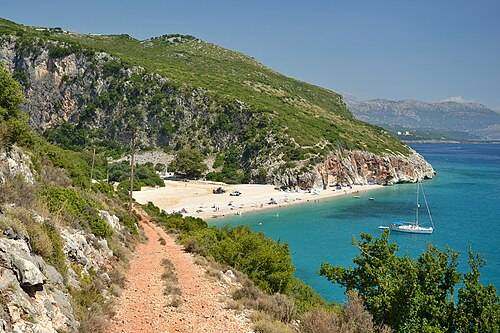
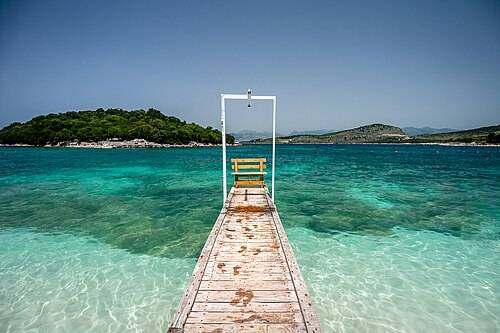
- Albanian Riviera
- Rozafa Castle
Food and drink
Tavë kosi (baked lamb with yoghurt) · byrek · fërgesë · qofte
Culture and famous for
Iso-polyphonic folk singing (UNESCO); about 170,000 Cold War concrete bunkers; the besa code of honour
Popular sports
Football, weightlifting
Geography and climate
- Highest point
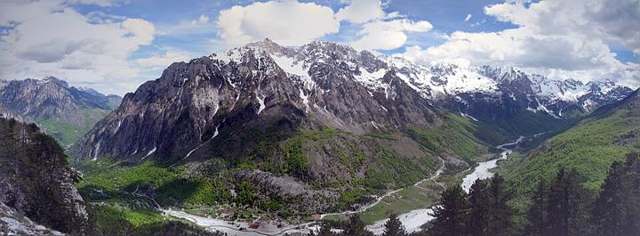
- Mount Korab, 2,764 m
- Rivers, lakes and seas
- Drin, Vjosa (one of Europe's last wild rivers); Lake Ohrid; Lake Shkodër
- Climate
- Mediterranean on the coast, colder in the mountains
- Coastline
- Has a sea coast
- Population density
- 83 people per km²
Wars and conflicts
- Balkan Wars 1912–13
- Italian invasion 1939
- WWII
- 1997 civil unrest
Alliances and memberships
Military and security
Political unions and regional organisations
EU candidate countriesCouncil of EuropeOrganisation of Islamic Cooperation
Albania in depth
Detailed facts from the CIA World Factbook (public domain, latest edition).
Overview
- History in brief
- After declaring independence from the Ottoman Empire in 1912, Albania experienced a period of political upheaval that led to a short-lived monarchy, which ended in 1939 when Italy conquered the country. Germany then occupied Albania in 1943, and communist partisans took over the country in 1944. Albania allied itself first with the USSR (until 1960) and then with China (until 1978). In the early 1990s, Albania ended communist rule and established a multiparty democracy. Government-endorsed pyramid schemes in 1997 led to economic collapse and civil disorder, which only ended when UN peacekeeping troops intervened. In 1999, some 450,000 ethnic Albanians fled from Kosovo to Albania to escape the war with the Serbs. Albania joined NATO in 2009 and became an official candidate for EU membership in 2014.
Geography
- Location
- Southeastern Europe, bordering the Adriatic Sea and Ionian Sea, between Greece to the south and Montenegro and Kosovo to the north
- Size compared
- slightly smaller than Maryland
- Land borders
- Total: 691 kmBorder countries: Greece 212 km; Kosovo 112 km; North Macedonia 181 km; Montenegro 186 km
- Coastline
- 362 km
- Climate
- mild temperate; cool, cloudy, wet winters; hot, clear, dry summers; interior is cooler and wetter
- Terrain
- mostly mountains and hills; small plains along coast
- Elevation
- Highest point: Maja e Korabit (Golem Korab) 2,764 mLowest point: Adriatic Sea 0 mMean elevation: 708 m
- Natural resources
- petroleum, natural gas, coal, bauxite, chromite, copper, iron ore, nickel, salt, timber, hydropower, arable land
- Major lakes
- Fresh water lake(s): Lake Scutari (shared with Montenegro) - 400 sq kmnote - largest lake in the Balkans
- Natural hazards
- destructive earthquakes; tsunamis occur along southwestern coast; floods; drought
- Notes
- strategic location along Strait of Otranto (links Adriatic Sea to Ionian Sea and Mediterranean Sea)
- Environmental issues
- deforestation; soil erosion; water pollution from industrial and domestic effluents; air pollution from industrial and power plants; loss of biodiversity
People and society
- Population
- Total: 2,551,837 (2025 est.)Male: 1,229,151Female: 1,322,686
- Nationality
- Noun: Albanian(s)Adjective: Albanian
- Ethnic groups
- Albanian 82.6%, Greek 0.9%, other 1% (including Vlach, Romani, Macedonian, Montenegrin, and Egyptian), unspecified 15.5% (2011 est.)
- Languages
- Albanian 98.8% (official - derived from Tosk dialect), Greek 0.5%, other 0.6% (including Macedonian, Romani, Vlach, Turkish, Italian, and Serbo-Croatian), unspecified 0.1% (2011 est.)Major-language sample(s): Libri i fakteve boterore, burimi i pazevendesueshem per informacione elementare (Albanian)The World Factbook, the indispensable source for basic information.
- Religions
- Muslim 56.7%, Roman Catholic 10%, Orthodox 6.8%, atheist 2.5%, Bektashi (a Sufi order) 2.1%, other 5.7%, unspecified 16.2% (2011 est.)
- Median age
- Total: 37.9 years (2025 est.)Male: 34.8 yearsFemale: 37.8 years
- Population growth
- -1.06% (2025 est.)
- Life expectancy
- Total population: 79.9 years (2024 est.)Male: 77.3 yearsFemale: 82.8 years
- Children per woman
- 1.09 children born/woman (2025 est.)
- Urbanization
- Urban population: 64.6% of total population (2023)Rate of urbanization: 1.29% annual rate of change (2020-25 est.)
- Largest cities
- 520,000 TIRANA (capital) (2023)
- Literacy
- Total population: 97.7% (2023 est.)Male: 98.2% (2023 est.)Female: 97.2% (2023 est.)
- Years in school
- Total: 15 years (2023 est.)Male: 14 years (2023 est.)Female: 15 years (2023 est.)
Government
- Official names
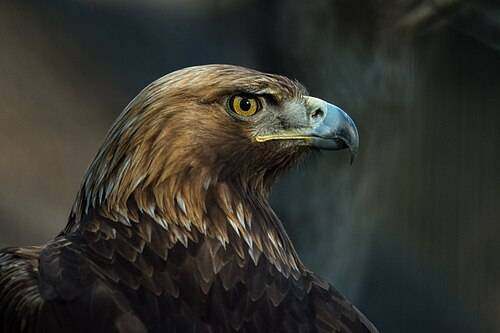
- Conventional long form: Republic of AlbaniaConventional short form: AlbaniaLocal long form: Republika e ShqiperiseLocal short form: ShqiperiaFormer: People's Socialist Republic of AlbaniaEtymology: name may be derived from the pre-Celtic word alb, meaning "hill," or from the Indo-European root word albh, meaning "white;" the local name "Shqiperia" is derived from the Albanian word shqiponje ("eagle") and is popularly interpreted to mean "Land of the Eagles"
- Government type
- parliamentary republic
- Capital
- Name: Tirana (Tirane)Geographic coordinates: 41 19 N, 19 49 ETime difference: UTC+1 (6 hours ahead of Washington, DC, during Standard Time)Daylight saving time: +1hr, begins last Sunday in March; ends last Sunday in OctoberEtymology: the name "Tirana" first appears in a 1418 Venetian document; the origin of the name is unclear
- Regions
- 12 counties (qarqe, singular - qark); Berat, Diber, Durres, Elbasan, Fier, Gjirokaster, Korce, Kukes, Lezhe, Shkoder, Tirane (Tirana), Vlore
- Independence
- 28 November 1912 (from the Ottoman Empire)
- National holiday
- Independence Day, 28 November (1912), also known as Flag Day
- Constitution
- History: several previous; latest approved by the Assembly 21 October 1998, adopted by referendum 22 November 1998, promulgated 28 November 1998Amendment process: proposed by at least one-fifth of the Assembly membership; passage requires at least a two-thirds majority vote by the Assembly; referendum required only if approved by two-thirds of the Assembly; amendments approved by referendum effective upon declaration by the president of the republic
- Legal system
- civil law system except in the northern rural areas where customary law known as the "Code of Leke" is still present
- Voting age
- 18 years of age; universal
- Flag meaning
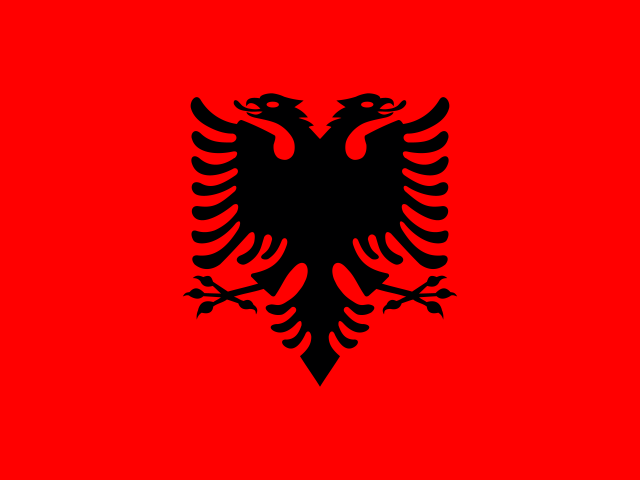
- Description: red with a black two-headed eagle in the centerMeaning: Albanians traditionally see themselves as descendants of the eagle; they refer to themselves as "Shqiptare," which translates as "sons of the eagle"History: the design is said to originate with 15th-century Albanian hero Georgi Kastrioti SKANDERBEG, who led a successful uprising against the Ottoman Turks
- National symbols
- black double-headed eagle
- National colours
- red, black
- National anthem
- Title: "Hymni i Flamurit" (Hymn to the Flag)Lyrics/music: Aleksander Stavre DRENOVA/Ciprian PORUMBESCUHistory: adopted 1912; only the first two stanzas of the original poem are used, with the second stanza as a chorus
- UNESCO World Heritage Sites
- Total World Heritage Sites: 4 (2 cultural, 1 natural, 1 mixed)Selected World Heritage Site locales: Butrint (c); Historic Berat and Gjirokastër (c); Primeval Beech Forests (n); Lake Ohrid Region (m)
Economy
- Overview
- upper-middle-income Balkan economy; EU accession candidate; growth bolstered by tourism, agriculture, mining, construction, and private consumption; fiscal consolidation through revenue collection and tax compliance enhancements to address public debt; challenges include weak governance, corruption, and high emigration rates
- GDP (PPP)
- $51.36 billion (2024 est.)
- GDP per person (PPP)
- $18,900 (2024 est.)
- GDP growth
- 4% (2024 est.)
- Inflation
- 2.2% (2024 est.)
- Unemployment
- 10.3% (2024 est.)
- Below poverty line
- 22% (2020 est.)
- Farm products
- milk, maize, tomatoes, watermelons, potatoes, wheat, grapes, onions, cucumbers/gherkins, olives (2023)
- Industries
- food; footwear, apparel and clothing; lumber, oil, cement, chemicals, mining, basic metals, hydropower
- Exports
- $9.848 billion (2024 est.)
- Main exports
- garments, footwear, electricity, crude petroleum, iron alloys (2023)
- Export partners
- Italy 41%, Greece 10%, Germany 5%, Spain 5%, Serbia 4% (2023)
- Main imports
- cars, refined petroleum, garments, packaged medicine, iron bars (2023)
- Import partners
- Italy 22%, China 11%, Turkey 9%, Germany 7%, Greece 6% (2023)
- Money sent home from abroad
- 8.4% of GDP (2024 est.)
Energy, internet and transport
- Electricity access
- Electrification - total population: 100% (2022 est.)
- Electricity sources
- Solar: 3.3% of total installed capacity (2023 est.)Hydroelectricity: 96.7% of total installed capacity (2023 est.)
- Internet users
- Percent of population: 83% (2023 est.)
- Mobile phones
- Total subscriptions: 2.49 million (2024 est.)Subscriptions per 100 inhabitants: 89 (2024 est.)
- TV and radio
- over 65 TV stations, including several that broadcast nationally and are sometimes available to neighboring countries; many viewers have access to Italian and Greek TV via terrestrial reception; TV stations have begun a government-mandated conversion from analog to digital broadcast; cable TV service is available; 2 public radio networks and roughly 78 private radio stations; several international broadcasters are available (2024)
- Airports
- 3 (2025)
- Railways
- Total: 424 km (2017)
- Merchant ships
- Total: 69 (2023)By type: general cargo 46, oil tanker 1, other 22
Military and space
- Armed forces
- Republic of Albania Armed Forces (Forcat e Armatosura të Republikës së Shqipërisë (FARSH); aka Albanian Armed Forces (AAF)): Land Forces, Naval Force (includes Coast Guard), Air ForcesMinistry of Interior: Guard of the Republic, State Police (includes the Border and Migration Police) (2025)
- Military spending
- 2% of GDP (2025 est.)
- Military service
- 18-30 for voluntary military service for men and women; conscription abolished 2010 (2025)
Global issues
- Refugees and displaced people
- Refugees: 9,381 (2024 est.)Stateless persons: 2,203 (2024 est.)
Neighbouring countries
MontenegroGreeceNorth Macedonia
- Phone code
- +355
- Internet domain
- .al