Slovenia
Republic of Slovenia · Slovenija
Habsburg land for centuries, then part of Yugoslavia. Independence came after a ten-day war in 1991. The first ex-Yugoslav state to join the EU (2004).
See Slovenia on the 3D globeTake a quiz
Population2.1 million
Area20,273 km²
CapitalLjubljana
RegionCentral Europe
Did you know?
- About 60% is forest
- Lipizzaner horses originated in Lipica
- Has one of the world's highest numbers of beekeepers per person
Key facts about Slovenia
- Government
- Parliamentary republic
- Religion
- Catholic ~73%
- Founded / independence
- 1991 (from Yugoslavia)
- Rich in
- Pharmaceuticals, cars, tourism, forests
- Languages
- Slovene
Slovene — over 40 dialects for a small population - Currency
- Euro (€)
- People are called
- Slovene
- Main cities
- Ljubljana, Maribor, Celje, Kranj, Koper
Timeline of Slovenia
- 1335Habsburg rule
- 1918Joins Yugoslavia
- 1991Independence
- 2004Joins EU and NATO
- 2007Adopts euro
Places to see in Slovenia
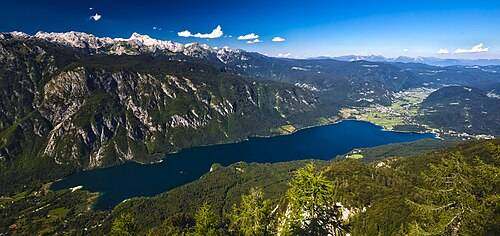
- Lake Bled
- Postojna Cave
- Ljubljana
- Škocjan Caves
- Piran
Food and drink
Potica (nut roll) · kranjska klobasa (sausage) · štruklji
Culture and famous for
Beekeeping; Lipizzaner horses from Lipica
Popular sports
Skiing, basketball (Luka Dončić), cycling (Pogačar)
Geography and climate
- Highest point
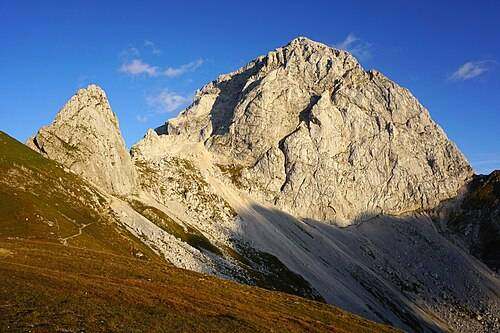
- Triglav, 2,864 m
- Rivers, lakes and seas
- Sava, Soča
- Climate
- Alpine, Mediterranean coast
- Coastline
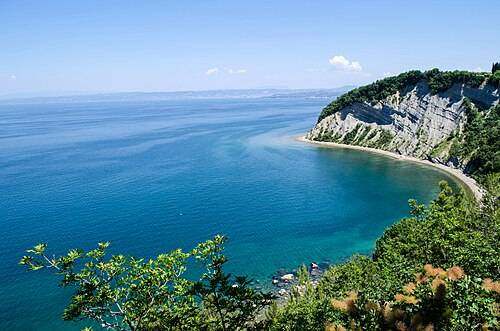
- Has a sea coast
- Population density
- 104 people per km²
Wars and conflicts
- Ten-Day War 1991
Empires and states that once stood here
Kingdom/SFR of Yugoslavia 1918–1992
Alliances and memberships
Military and security
Political unions and regional organisations
European UnionEurozoneCouncil of Europe
Economy and trade
Slovenia in depth
Detailed facts from the CIA World Factbook (public domain, latest edition).
Overview
- History in brief
- The Slovene lands were part of the Austro-Hungarian Empire until the latter's dissolution at the end of World War I. In 1918, Slovenia became part of the Kingdom of Serbs, Croats, and Slovenes, which was renamed Yugoslavia in 1929. After World War II, Slovenia joined Bosnia and Herzegovina, Croatia, Macedonia, Montenegro, and Serbia as one of the constituent republics in the new Socialist Federal Republic of Yugoslavia (SFRY). In 1990, Slovenia held its first multiparty elections, as well as a referendum on independence. Serbia responded with an economic blockade and military action, but after a short 10-day war, Slovenia declared independence in 1991. Slovenia acceded to both NATO and the EU in the spring of 2004; it joined the euro zone and the Schengen Area in 2007.
Geography
- Location
- south Central Europe, Julian Alps between Austria and Croatia
- Size compared
- slightly smaller than New Jersey
- Land borders
- Total: 1,211 kmBorder countries: Austria 299 km; Croatia 600 km; Hungary 94 km; Italy 218 km
- Coastline
- 46.6 km
- Climate
- Mediterranean climate on the coast, continental climate with mild to hot summers and cold winters in the plateaus and valleys to the east
- Terrain
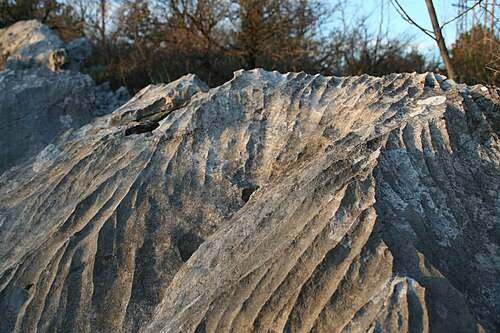
- a short southwestern coastal strip of Karst topography on the Adriatic; an alpine mountain region lies adjacent to Italy and Austria in the north; mixed mountains and valleys with numerous rivers to the east
- Elevation
- Highest point: Triglav 2,864 mLowest point: Adriatic Sea 0 mMean elevation: 492 m
- Natural resources
- lignite, lead, zinc, building stone, hydropower, forests
- Natural hazards
- flooding; earthquakes
- Notes
- despite its small size, this eastern Alpine country controls some of Europe's major transit routes
- Environmental issues
- air pollution from road traffic, domestic heating (wood burning), power generation, and industry; water pollution; biodiversity protection
People and society
- Population
- Total: 2,097,893 (2024 est.)Male: 1,051,044Female: 1,046,849
- Nationality
- Noun: Slovene(s)Adjective: Slovenian
- Ethnic groups
- Slovene 83.1%, Serb 2%, Croat 1.8%, Bosniak 1.1%, other or unspecified 12% (2002 est.)
- Languages
- Slovene (official) 87.7%, Croatian 2.8%, Serbo-Croatian 1.8%, Bosnian 1.6%, Serbian 1.6%, Hungarian 0.4% (official, only in municipalities where Hungarian nationals reside), Italian 0.2% (official, only in municipalities where Italian nationals reside), other or unspecified 3.9% (2002 est.)Major-language sample(s): Svetovni informativni zvezek - neobhoden vir osnovnih informacij. (Slovene)The World Factbook, the indispensable source for basic information.
- Religions
- Catholic 69%, Orthodox 4%, Muslim 3%, Christian 1%, other 3%, atheist 14%, non-believer/agnostic 4%, refused to answer 2% (2019 est.)
- Median age
- Total: 46 years (2025 est.)Male: 45 yearsFemale: 47.9 years
- Population growth
- -0.16% (2025 est.)
- Life expectancy
- Total population: 82.2 years (2024 est.)Male: 79.4 yearsFemale: 85.2 years
- Children per woman
- 1.49 children born/woman (2025 est.)
- Urbanization
- Urban population: 56.1% of total population (2023)Rate of urbanization: 0.54% annual rate of change (2020-25 est.)
- Largest cities
- 286,000 LJUBLJANA (capital) (2018)
- Years in school
- Total: 17 years (2023 est.)Male: 17 years (2023 est.)Female: 18 years (2023 est.)
Government
- Official names
- Conventional long form: Republic of SloveniaConventional short form: SloveniaLocal long form: Republika SlovenijaLocal short form: SlovenijaFormer: People's Republic of Slovenia, Socialist Republic of SloveniaEtymology: the country's name means "Land of the Slavs" in Slovene; the origin of the Slav name is unclear, although early forms were used in Medieval Latin (Sclavus) and Byzantine Greek (Sklabos)
- Government type
- parliamentary republic
- Capital
- Name: LjubljanaGeographic coordinates: 46 03 N, 14 31 ETime difference: UTC+1 (6 hours ahead of Washington, DC, during Standard Time)Daylight saving time: +1hr, begins last Sunday in March; ends last Sunday in OctoberEtymology: by tradition, the name is related to the Slovene word ljubljena, meaning "beloved," but the origin is probably pre-Slavic and remains obscure
- Regions
- 200 municipalities (obcine, singular - obcina) and 12 urban municipalities (mestne obcine, singular - mestna obcina)Municipalities: Ajdovscina, Ankaran, Apace, Beltinci, Benedikt, Bistrica ob Sotli, Bled, Bloke, Bohinj, Borovnica, Bovec, Braslovce, Brda, Brezice, Brezovica, Cankova, Cerklje na Gorenjskem, Cerknica, Cerkno, Cerkvenjak, Cirkulane, Crensovci, Crna na Koroskem, Crnomelj, Destrnik, Divaca, Dobje, Dobrepolje, Dobrna, Dobrova-Polhov Gradec, Dobrovnik/Dobronak, Dolenjske Toplice, Dol pri Ljubljani, Domzale, Dornava, Dravograd, Duplek, Gorenja Vas-Poljane, Gorisnica, Gorje, Gornja Radgona, Gornji Grad, Gornji Petrovci, Grad, Grosuplje, Hajdina, Hoce-Slivnica, Hodos, Horjul, Hrastnik, Hrpelje-Kozina, Idrija, Ig, Ilirska Bistrica, Ivancna Gorica, Izola/Isola, Jesenice, Jezersko, Jursinci, Kamnik, Kanal ob Soci, Kidricevo, Kobarid, Kobilje, Kocevje, Komen, Komenda, Kosanjevica na Krki, Kostel, Kozje, Kranjska Gora, Krizevci, Kungota, Kuzma, Lasko, Lenart, Lendava/Lendva, Litija, Ljubno, Ljutomer, Log-Dragomer, Logatec, Loska Dolina, Loski Potok, Lovrenc na Pohorju, Luce, Lukovica, Majsperk, Makole, Markovci, Medvode, Menges, Metlika, Mezica, Miklavz na Dravskem Polju, Miren-Kostanjevica, Mirna, Mirna Pec, Mislinja, Mokronog-Trebelno, Moravce, Moravske Toplice, Mozirje, Muta, Naklo, Nazarje, Odranci, Oplotnica, Ormoz, Osilnica, Pesnica, Piran/Pirano, Pivka, Podcetrtek, Podlehnik, Podvelka, Poljcane, Polzela, Postojna, Prebold, Preddvor, Prevalje, Puconci, Race-Fram, Radece, Radenci, Radlje ob Dravi, Radovljica, Ravne na Koroskem, Razkrizje, Recica ob Savinji, Rence-Vogrsko, Ribnica, Ribnica na Pohorju, Rogaska Slatina, Rogasovci, Rogatec, Ruse, Salovci, Selnica ob Dravi, Semic, Sempeter-Vrtojba, Sencur, Sentilj, Sentjernej, Sentjur, Sentrupert, Sevnica, Sezana, Skocjan, Skofja Loka, Skofljica, Slovenska Bistrica, Slovenske Konjice, Smarje pri Jelsah, Smarjeske Toplice, Smartno ob Paki, Smartno pri Litiji, Sodrazica, Solcava, Sostanj, Sredisce ob Dravi, Starse, Store, Straza, Sveta Ana, Sveta Trojica v Slovenskih Goricah, Sveti Andraz v Slovenskih Goricah, Sveti Jurij ob Scavnici, Sveti Jurij v Slovenskih Goricah, Sveti Tomaz, Tabor, Tisina, Tolmin, Trbovlje, Trebnje, Trnovska Vas, Trzic, Trzin, Turnisce, Velika Polana, Velike Lasce, Verzej, Videm, Vipava, Vitanje, Vodice, Vojnik, Vransko, Vrhnika, Vuzenica, Zagorje ob Savi, Zalec, Zavrc, Zelezniki, Zetale, Ziri, Zirovnica, Zrece, ZuzemberkUrban municipalities: Celje, Koper, Kranj, Krsko, Ljubljana, M
- Independence
- 25 June 1991 (from Yugoslavia)
- National holiday
- Independence Day/Statehood Day, 25 June (1991)
- Constitution
- History: previous 1974 (pre-independence); latest passed by Parliament 23 December 1991Amendment process: proposed by at least 20 National Assembly members, by the government, or by petition of at least 30,000 voters; passage requires at least two-thirds majority vote by the Assembly; referendum required if agreed upon by at least 30 Assembly members; passage in a referendum requires participation of a majority of eligible voters and a simple majority of votes cast
- Legal system
- civil law system
- Voting age
- 18 years of age; universal
- Flag meaning
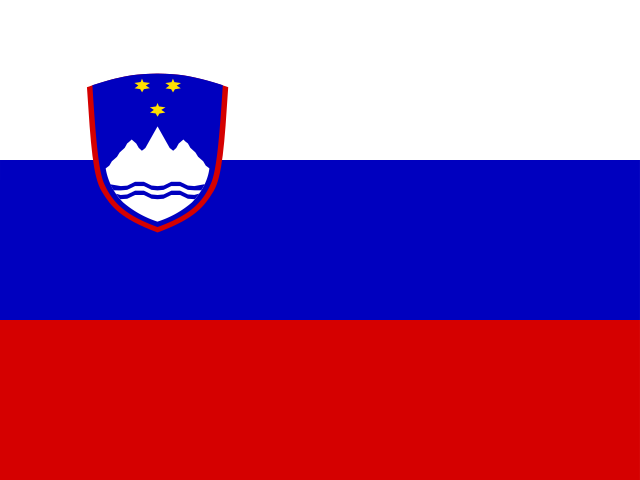
- Description: three equal horizontal bands of white (top), blue, and red; the Slovenian seal (a shield with Triglav, the country's highest peak, in white on a blue background) is at the center, with two wavy blue lines under it; three six-pointed stars in an inverted triangle appear on the upper-leftMeaning: the wavy lines represent seas and rivers; the colors come from the medieval coat of arms of the Duchy of Carniola; the stars come from the coat of arms of the Counts of Celje (a Slovene dynastic house)
- National symbols
- Mount Triglav
- National colours
- white, blue, red
- National anthem
- Title: "Zdravljica" (A Toast)Lyrics/music: France PRESEREN/Stanko PREMRLHistory: adopted in 1989; originally written in 1848; only the seventh verse of the poem is used as the anthem
- UNESCO World Heritage Sites
- Total World Heritage Sites: 5 (3 cultural, 2 natural)Selected World Heritage Site locales: Škocjan Caves (n); Ancient and Primeval Beech Forests of the Carpathians and Other Regions of Europe (n); Prehistoric Pile Dwellings around the Alps (c); Heritage of Mercury: Almadén and Idrija (c); The works of Jože Plečnik in Ljubljana (c)
Economy
- Overview
- high-income EU and eurozone economy; high per-capita income and low inequality; key exports in automotive and pharmaceuticals; tight labor market with low unemployment; growth supported by private consumption and public investment, with risks from tight labor market and trade conditions; narrowing fiscal deficit and declining public debt
- GDP (PPP)
- $103.118 billion (2024 est.)
- GDP per person (PPP)
- $48,500 (2024 est.)
- GDP growth
- 1.6% (2024 est.)
- Inflation
- 2% (2024 est.)
- Unemployment
- 3.4% (2024 est.)
- Below poverty line
- 12.7% (2022 est.)
- Farm products
- milk, maize, wheat, barley, grapes, chicken, potatoes, beef, apples, pork (2023)
- Industries
- ferrous metallurgy and aluminum products, lead and zinc smelting; electronics (including military electronics), trucks, automobiles, electric power equipment, wood products, textiles, chemicals, machine tools
- Exports
- $59.159 billion (2024 est.)
- Main exports
- packaged medicine, cars, refined petroleum, vehicle parts/accessories, plastic products (2023)
- Export partners
- Switzerland 22%, Germany 12%, Italy 10%, Croatia 8%, Austria 6% (2023)
- Main imports
- nitrogen compounds, packaged medicine, refined petroleum, cars, vaccines (2023)
- Import partners
- Switzerland 17%, China 15%, Germany 11%, Italy 9%, Austria 6% (2023)
- Money sent home from abroad
- 1.2% of GDP (2024 est.)
Energy, internet and transport
- Electricity access
- Electrification - total population: 100% (2022 est.)
- Electricity sources
- Fossil fuels: 24.6% of total installed capacity (2023 est.)Nuclear: 35.2% of total installed capacity (2023 est.)Solar: 6.7% of total installed capacity (2023 est.)Hydroelectricity: 31.5% of total installed capacity (2023 est.)Biomass and waste: 2% of total installed capacity (2023 est.)
- Internet users
- Percent of population: 90% (2023 est.)
- Mobile phones
- Total subscriptions: 2.73 million (2023 est.)Subscriptions per 100 inhabitants: 126 (2022 est.)
- TV and radio
- public TV broadcaster, Radiotelevizija Slovenija (RTV), operates a system of national and regional TV stations; 35 commercial TV stations; about 60% of households connected to multi-channel cable TV; public radio broadcaster with 3 national and 4 regional stations; more than 75 regional and local commercial and non-commercial radio stations
- Airports
- 42 (2025)
- Railways
- Total: 1,207 km (2020) 609 km electrified
- Merchant ships
- Total: 8 (2023)By type: other 8
Military and space
- Armed forces
- Slovenian Armed Forces (Slovenska Vojska, SV): structured as a combined force with air, land, maritime, and special operations componentsMinistry of Interior: National Police (2025)
- Military spending
- 2% of GDP (2025 est.)
- Military service
- 18-30 years of age for voluntary military service for men and women; recruits sign up for 3-, 5-, or 10-year service contracts; no conscription (2026)
Global issues
- Refugees and displaced people
- Refugees: 13,369 (2024 est.)IDPs: 10 (2023 est.)Stateless persons: 10 (2024 est.)
Neighbouring countries
- Phone code
- +386
- Internet domain
- .si